Entrega porta-a-porta em todo o mundo!

Finding a reliable supplier for custom drinkware shouldn't be a gamble with your brand's reputation. Low-quality imports can lead to leaks, safety recalls, and wasted marketing budgets.
You can buy customized or wholesale tea and water bottles directly from manufacturers in China, such as Copos ecológicos. They provide diverse material options like stainless steel and borosilicate glass, offering flexible customization, low MOQs, and international safety certifications for global B2B buyers.
Selecting the right partner involves more than just looking at a price tag. It requires a deep dive into manufacturing hubs, compliance standards, and customization capabilities. In this article, we will explore the landscape of the drinkware industry to help you secure the best products for your business.
Generic bottles often fade into the background, failing to capture the attention of your target audience. Without a distinct logo, your investment in promotional products loses its branding power.
Yes, glass water bottles can be customized with company logos using several professional techniques. Common methods include silk-screen printing for bold colors, laser engraving for a premium etched look, and heat transfer for complex, multi-colored designs that wrap around the bottle.
Customization is the bridge between a simple utility and a powerful marketing asset. When dealing with glass, the aesthetic appeal is naturally higher, but the execution of the logo is what defines the final perceived value.
Glass provides a unique, high-clarity canvas that is particularly well-suited for high-end branding. Because glass is non-porous and chemically stable, it holds certain types of printing better than plastic. For brands looking for longevity, silk-screen printing remains a staple, offering vibrant, thick ink layers that resist scratching. However, if you are looking for a more subtle, "boutique" feel, laser engraving on the accompanying bamboo lids or a frosted finish on the glass can elevate the product significantly.
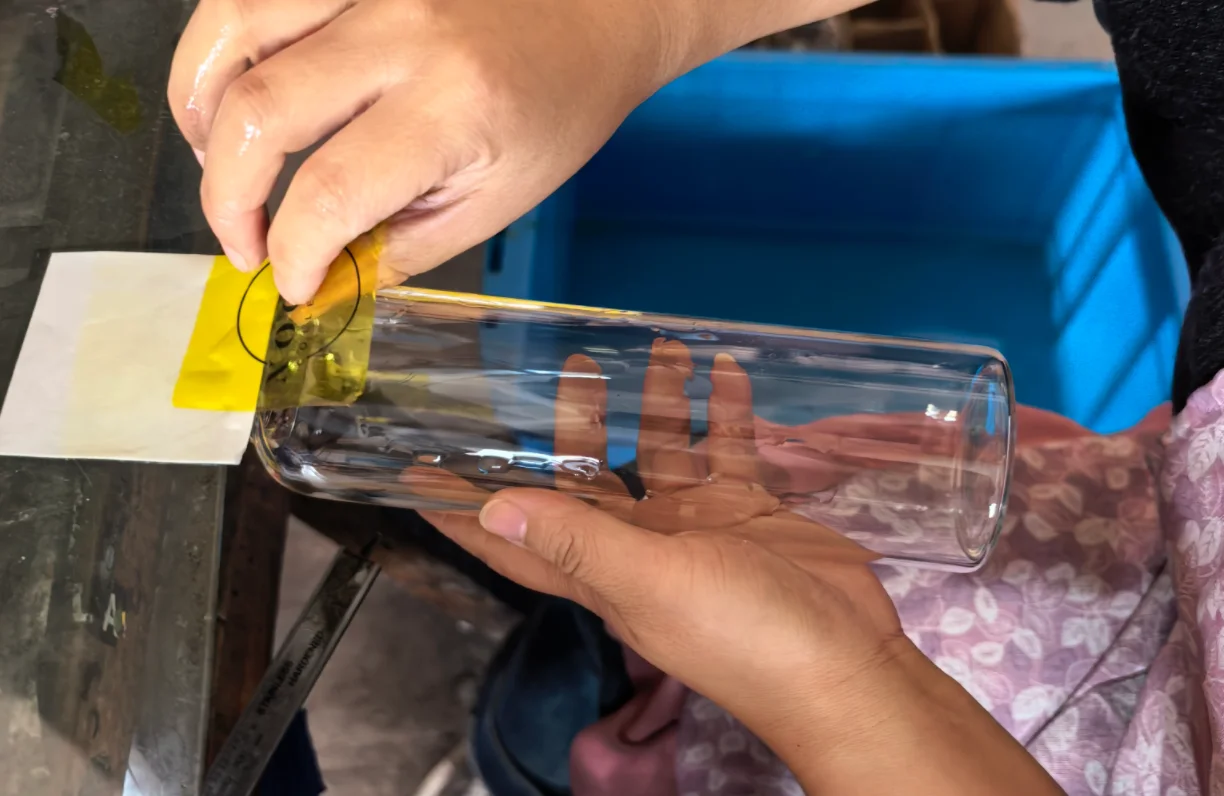
When selecting a customization method, consider the complexity of your logo and your budget.
| Método | Ideal For | Prós | Contras |
| Silk-Screen | 1-2 color logos | Cost-effective for bulk; very vibrant. | Not suitable for gradients. |
| Laser Engraving | Subtle, permanent branding | Never fades; works beautifully on lids and glass | No color; higher precision required.costy |
| Decal/Heat Transfer | Full-color photography | Unlimited colors; detailed. | Higher setup cost for small runs. |
As an industry insider often notes: "The texture of the logo on glass can be as important as the visual itself. A raised silk-screen print or a deeply etched laser mark gives the consumer a tactile connection to the brand every time they take a sip."
Tired of offering the same basic water bottles as your competitors? Customers today crave functionality—they want to brew tea or infuse fruit on the go, and a standard bottle just won't cut it.
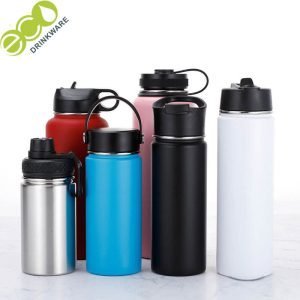
Wholesale markets provide several types of infuser bottles, including double-wall borosilicate glass bottles with stainless steel filters, vacuum-insulated stainless steel tea flasks, and lightweight Tritan fruit infusers. These are designed specifically for loose-leaf tea, fruit water, and cold-brew coffee.
Diversity in your product line allows you to target different market segments, from the office professional to the outdoor enthusiast.
China remains the world’s leading drinkware manufacturing hub due to its mature supply chain and efficient production capacity. This means that for B2B buyers, there is an almost limitless range of infuser designs. You can find "top-infusion" models where the filter sits near the lid, or "bottom-infusion" models that allow for longer steeping times.
| Caraterística | Frascos de vidro com infusor | Garrafas de infusão em aço inoxidável |
| Visual Appeal | Transparent; shows tea color. | Modern, sleek, opaque. |
| Insulation | Moderate (Double-wall). | Excellent (Vacuum-insulated). |
| Best For | Floral teas, fruit water. | Hot tea, coffee, iced drinks. |
| Weight | Heavier, premium feel. | Lighter, durable for travel. |
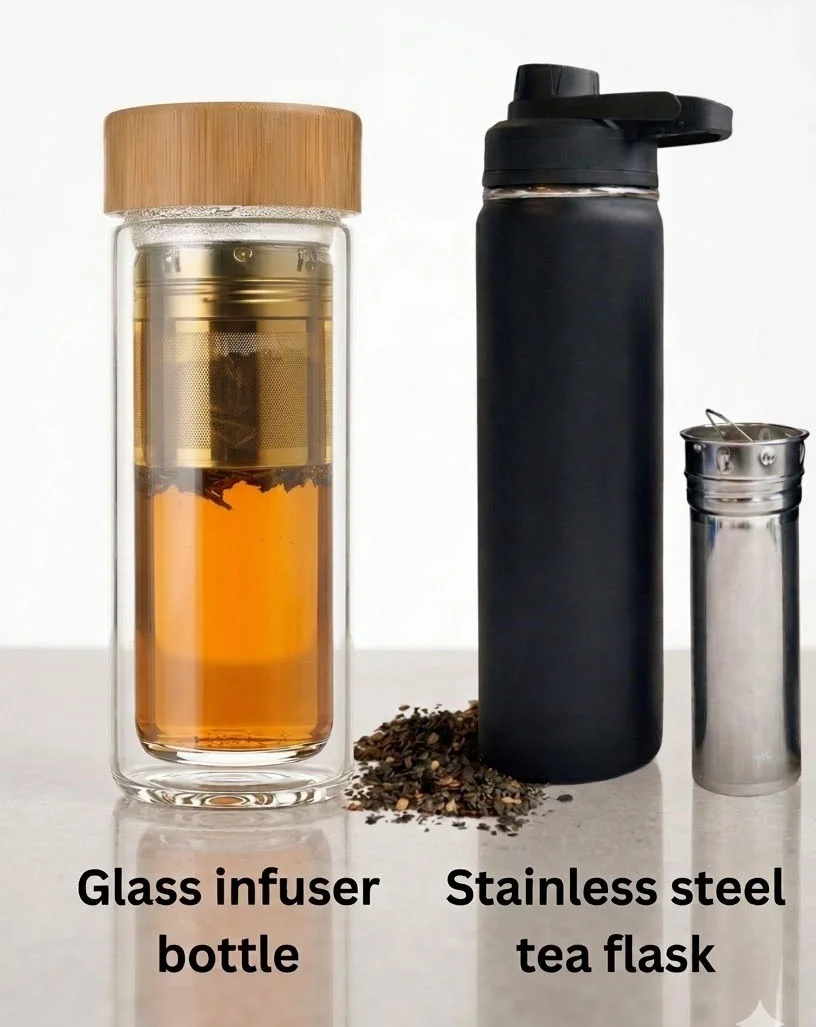
Caption: Whether you prefer the transparency of glass or the ruggedness of steel, the right infuser adds immediate functional value to your custom drinkware.
High minimum order quantities are the primary barrier for startups and small businesses looking to launch a custom line. This gatekeeping can prevent your brand from testing new markets or running specialized promotions.
MOQs for custom bottles generally range from 50 to 1,000 pieces depending on the customization level. Many suppliers now stock popular models, allowing buyers to customize logos only with MOQs as low as 50–100 units for faster market entry.
The shift toward fragmented purchasing patterns has forced manufacturers to become more flexible.
With the growth of e-commerce, suppliers have adapted by keeping "blanks" of best-selling models in their warehouses. This allows B2B buyers to bypass the traditional manufacturing lead times for the bottle body and focus solely on the branding. This strategy is especially beneficial for seasonal programs or limited-edition corporate gifts where you might not need 5,000 units.
Logo-Only Customization: Often 50–200 pcs. Fastest turnaround.
Custom Colors (Pantone Match): Usually 500–1,000 pcs. Requires a dedicated paint run.
Full Custom Molds: 3,000+ pcs. Required for unique shapes not in the current catalog.
By opting for stocked models, brands can reduce inventory risk and respond more quickly to market trends.
Importing drinkware that fails to meet local safety standards is a fast track to legal liability and a ruined reputation. You can't afford to discover that your product contains harmful levels of lead or BPA after it has hit the shelves.
Bulk buyers in the US typically require FDA certification, while those in Europe require LFGB. These certifications verify that the materials—such as stainless steel, glass, and silicone—are food-safe and won't leach harmful chemicals into beverages.
Compliance is a non-negotiable pillar of procurement. Different markets have different requirements, and these must be prioritized at the start of any project.
Manufacturers in China are well-versed in global standards, but you must clearly communicate which target market you are entering. If your target market requires FDA or LFGB, specify this during the quoting stage. The manufacturer will then select compliant raw materials and schedule third-party testing (often via agencies like SGS or Intertek) to provide the necessary documentation.
FDA (USA): Focuses on food contact safety.
LFGB (Germany/Europe): Often stricter than FDA, specifically regarding sensory testing.
RoHS/Prop 65: Relevant for electronic components or specific chemical restrictions in California.
BPA-Free: A standard expectation for all plastic and silicone components.
Receiving a shipping container full of defective or poorly printed bottles can be a financial disaster. Inconsistent quality between the sample and the mass production run is a common fear for wholesale buyers.
Suppliers ensure quality control through a three-stage process: Pre-production inspection of raw materials, In-line inspection during assembly/printing, and a Final Random Inspection (FRI) based on AQL standards before the goods are loaded for shipping. Profession suppliers will offer bulk pictures to customer to proof all infuser bottles in good situation as customer required.
A mature supply chain doesn't just produce fast; it produces consistently.
Most professional manufacturers use the Acceptable Quality Level (AQL) standard. This statistical method determines how many units need to be inspected to ensure the entire batch meets your quality threshold. It categorizes defects into "Critical" (e.g., broken glass), "Major" (e.g., leaking lid), and "Minor" (e.g., small scratch in paint).
For large-volume orders, many B2B buyers hire third-party inspectors to visit the factory. This ensures that the scalable manufacturing power of the China hub is being harnessed correctly. Efficient production capacity is useless if 10% of the product is unsellable. By setting clear quality benchmarks in your contract, you protect your bottom line and ensure that your private-label program remains profitable.
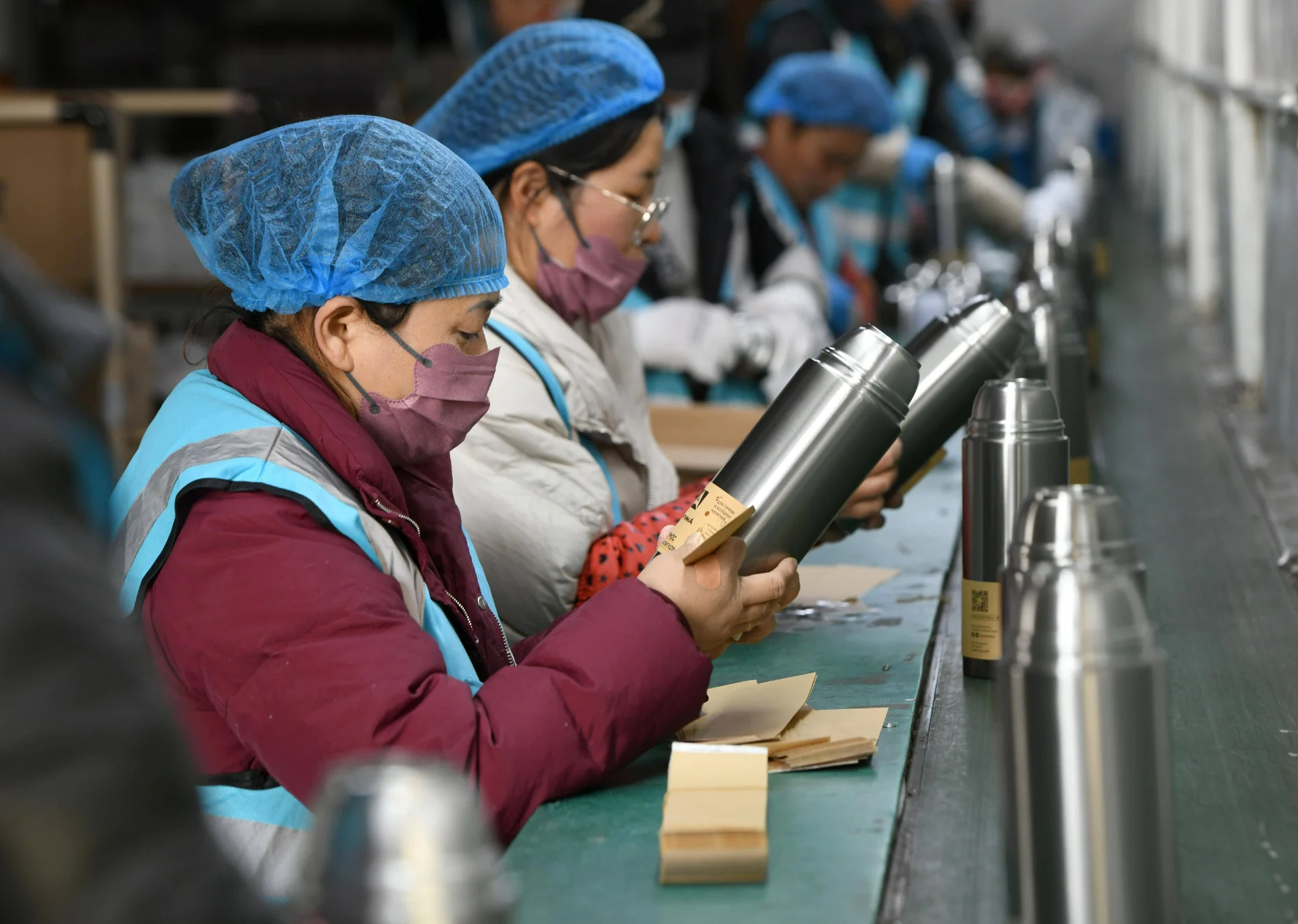
A premium bottle in a cheap, plain box feels like an afterthought. If the packaging doesn't reflect the quality of the product inside, you are missing out on a significant opportunity to wow your customers.
Packaging options include custom-printed color boxes, eco-friendly kraft paper tubes, premium gift boxes with EVA foam inserts, and display-ready retail sleeves. These can be customized with matte or glossy finishes, foil stamping, and brand-specific artwork.
The unboxing experience is the first physical interaction a customer has with your brand. Make it count.
From a procurement perspective, packaging should be functional as well as beautiful. For e-commerce, you need "drop-test" certified boxes that protect glass during transit. For retail, you need vibrant colors and clear windows that allow the product to shine on the shelf.
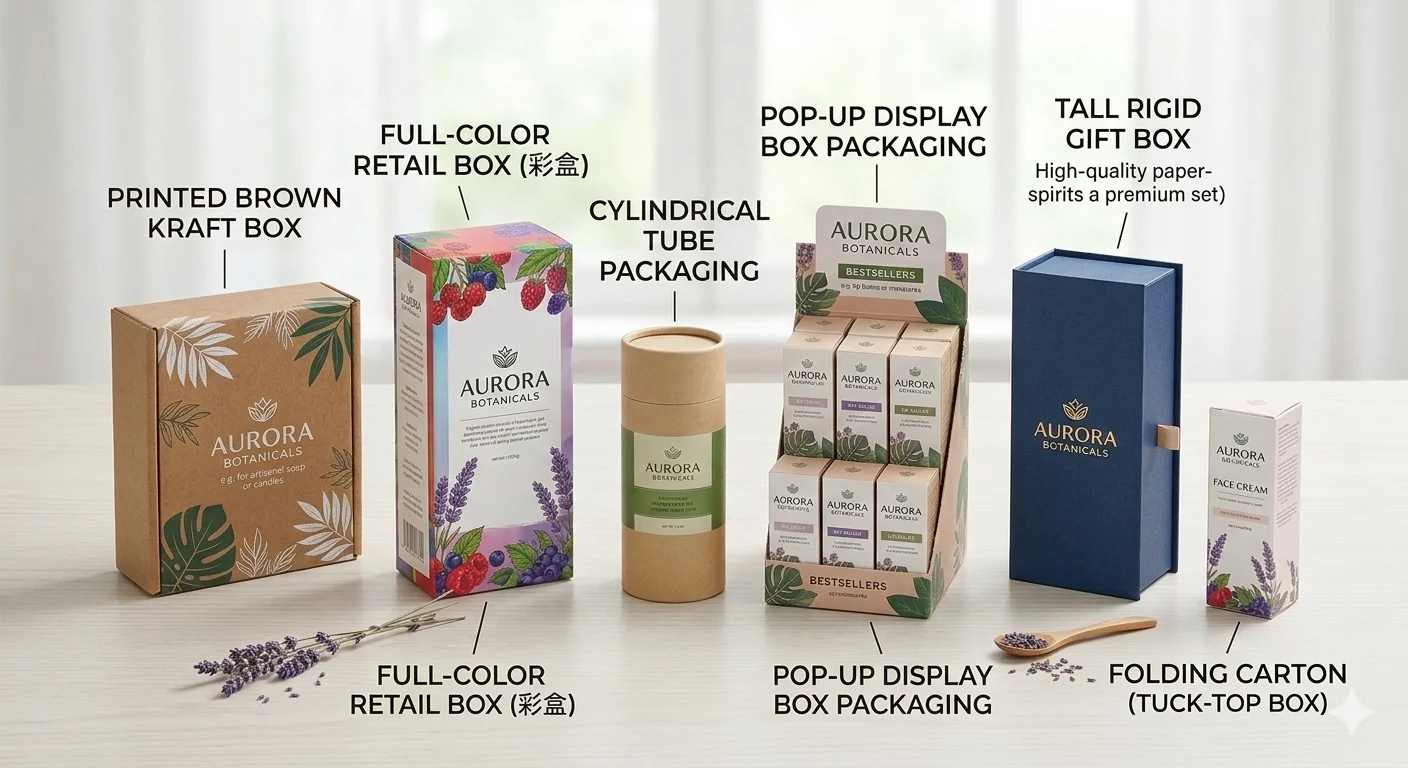
| Packaging Type | Best For | Customer Perception |
| Kraft Tube | Eco-friendly brands | Sustainable, organic, modern. |
| Color Box | Retail/E-commerce | Professional, informative. |
| Cylinder | Retail/E-commerce | High-end, luxury, durable. |
| Display box | Chain-shop,super market | Luxury, outstanding |
Finding a gift that is both professional and actually useful is a perennial challenge for HR and marketing departments. Most "swag" ends up in the back of a drawer, providing zero ongoing branding value.
Yes, custom-printed bottles are incredibly popular for corporate gifts. As daily-use items with high durability, they offer repeated brand exposure. They are seen as high-value gifts that align a company with health, wellness, and sustainability trends.
Drinkware offers a strong "cost-per-impression" value that few other promotional items can match.
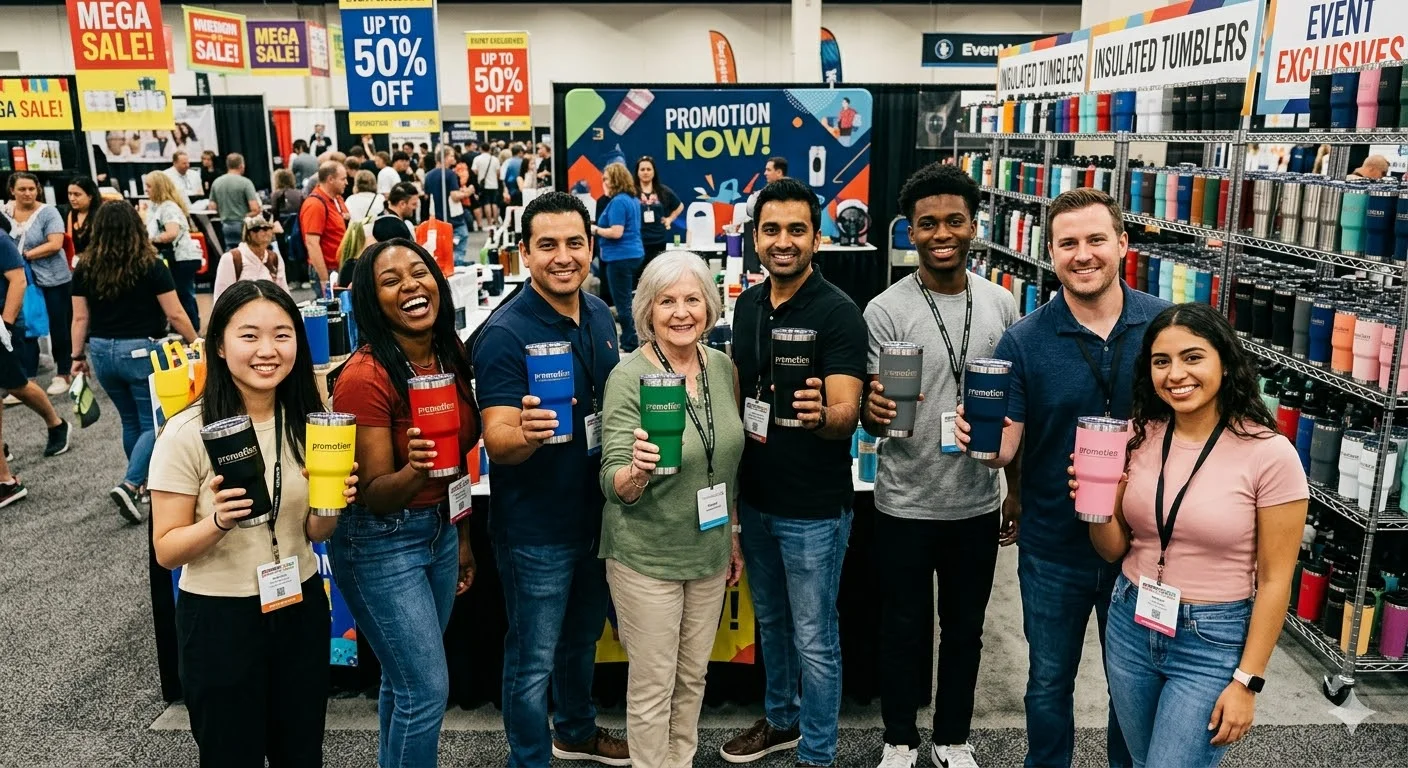
For B2B buyers, drinkware is an effective branding tool because it isn't a "single-use" item. A well-made stainless steel flask or a borosilicate glass bottle can last for years. This longevity creates a long-term brand partnership between the giver and the recipient. As health-conscious culture grows, so does the demand for stylish, sustainable ways to stay hydrated at the office or while traveling. This makes custom drinkware a safe, effective, and high-ROI choice for any corporate gifting program.
Choosing the right customized or wholesale supplier involves balancing MOQs, certifications, and quality control. With the right manufacturing partner, custom drinkware becomes a high-value marketing asset for any brand.
 English English
  Español
 Deutsch
 Português
 Français