Custom Drinkware Manufacturer | OEM/ODM | Flexible MOQ | Fast Sampling

Worried about hidden chemicals leaching into your water? Standard plastic bottles often harbor BPA and microplastics that disrupt your health. Stop gambling with your hydration and switch to a cleaner alternative.
Stainless steel and glass water bottles that meet food-grade safety standards are exceptionally safe, as they do not release harmful chemicals into your drinks. They are practical, durable, and offer superior heat resistance compared to most plastics, making them the preferred choice for health-conscious consumers and professionals.
The debate between glass, steel, and plastic isn't just about aesthetics; it’s about the science of what you put into your body. While plastic remains popular for its weight and cost, the chemical stability of stainless steel and glass is unmatched. If you want to understand which material truly fits your lifestyle—and your health—you cannot afford to stop reading here.
Love starting your day with acidic lemon water but fear it might corrode your bottle? Many worry that acid reacts with metal, potentially leaching metallic toxins into their morning detox drink.
Yes, it is perfectly safe to put lemon water in high-quality, food-grade 304 (18/8) or 316 stainless steel bottles. These materials are highly resistant to corrosion from organic acids found in lemons, ensuring no metallic taste or harmful substances are transferred to your beverage.
The concern stems from the idea that citric acid might "eat" through the metal. However, at Vajilla ecológica, we utilize 18/8 stainless steel, which contains 18% chromium and 8% nickel. This combination creates an invisible, self-healing "passive layer" of chromium oxide on the surface. This layer is what prevents the acid in a lemon or even a lime from reacting with the iron in the steel.
While 304 is the industry standard for bottles, 316 stainless steel (often called "medical grade") contains molybdenum, providing even higher resistance to chlorides and acids. If you are an avid drinker of highly acidic beverages or live in a coastal area with salty air, 316 is the ultimate upgrade.
| Característica | 304 Stainless Steel (18/8) | 316 Stainless Steel |
| Acid Resistance | High (Great for lemon water) | Superior (Best for all acids) |
| Common Use | Reusable water bottles, flasks | Medical tools, marine hardware |
| Durabilidad | Excellent | Exceptional |
As our R&D lead often says: "A high-quality steel bottle shouldn't just hold water; it should protect the purity of whatever you choose to brew inside it, from citrus infusions to hot coffee."
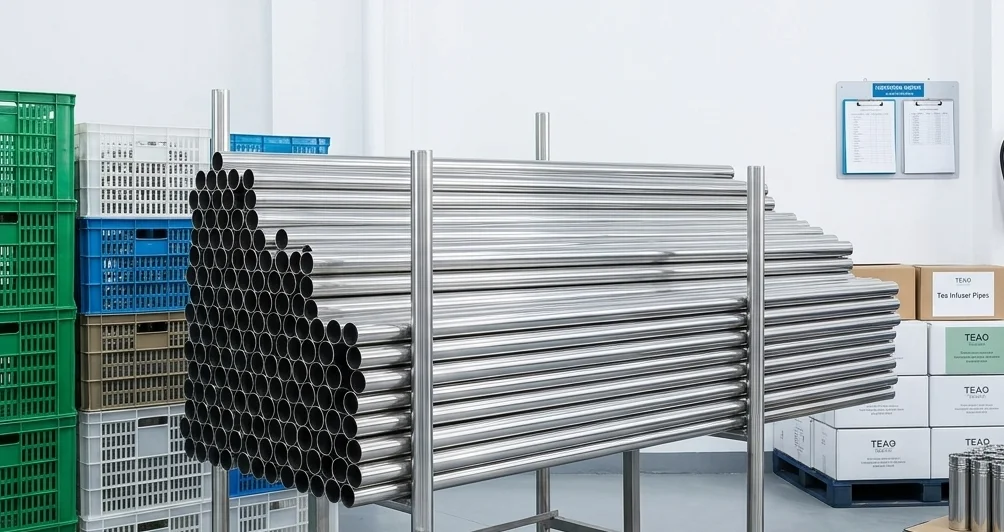
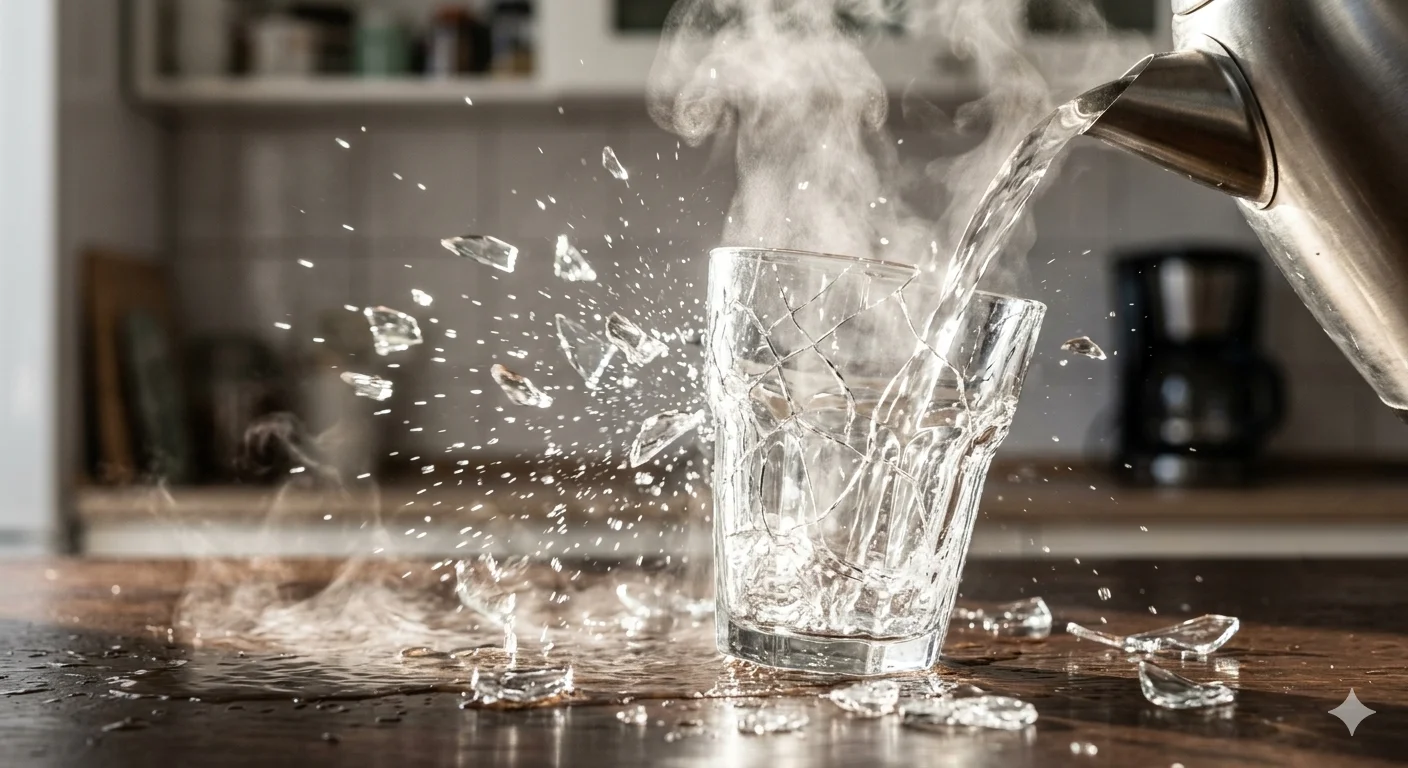
Ever poured hot tea into a glass bottle only to hear a terrifying crack? This sudden breakage is frustrating and dangerous, leaving you with a mess of glass shards and scalding water.
You can't pour boiling water into standard "soda-lime" glass bottles because they have a high thermal expansion coefficient. When hot water hits the glass, the internal surface expands faster than the external surface, causing "thermal shock" and shattering the material.
To avoid this, look for bottles made from vidrio borosilicato. This material includes boron trioxide, which gives it a very low coefficient of thermal expansion. At Vajilla ecológica, we specialize in borosilicate glass water bottles precisely because they can transition from ice-cold to boiling hot without breaking.
Thermal shock happens when there is a massive temperature gradient across a material. Think of it like a tug-of-war where one side (the inside of the glass) pulls much harder than the other side (the outside). Standard glass can't handle the stress. Borosilicate, however, is the same material used in laboratory beakers and high-end kitchenware (like original Pyrex), making it the only practical choice for tea lovers.
| Glass Type | Max Thermal Shock Range | Best Use Case |
| Soda-Lime Glass | Approx 40°C change | Room temp water, cold drinks |
| Borosilicate Glass | Up to 170°C change | Boiling tea, coffee, hot water |
Think your thermos is only for keeping coffee hot during a commute? Limiting your vacuum flask to just one use means you aren't getting the full value out of your investment.
A stainless steel thermos is incredibly versatile, used for keeping drinks icy cold for 24+ hours, preserving the temperature of hot soups or meals, acting as a portable "mini-fridge" for milk, and even helping to brew tea on the go with integrated infusers.
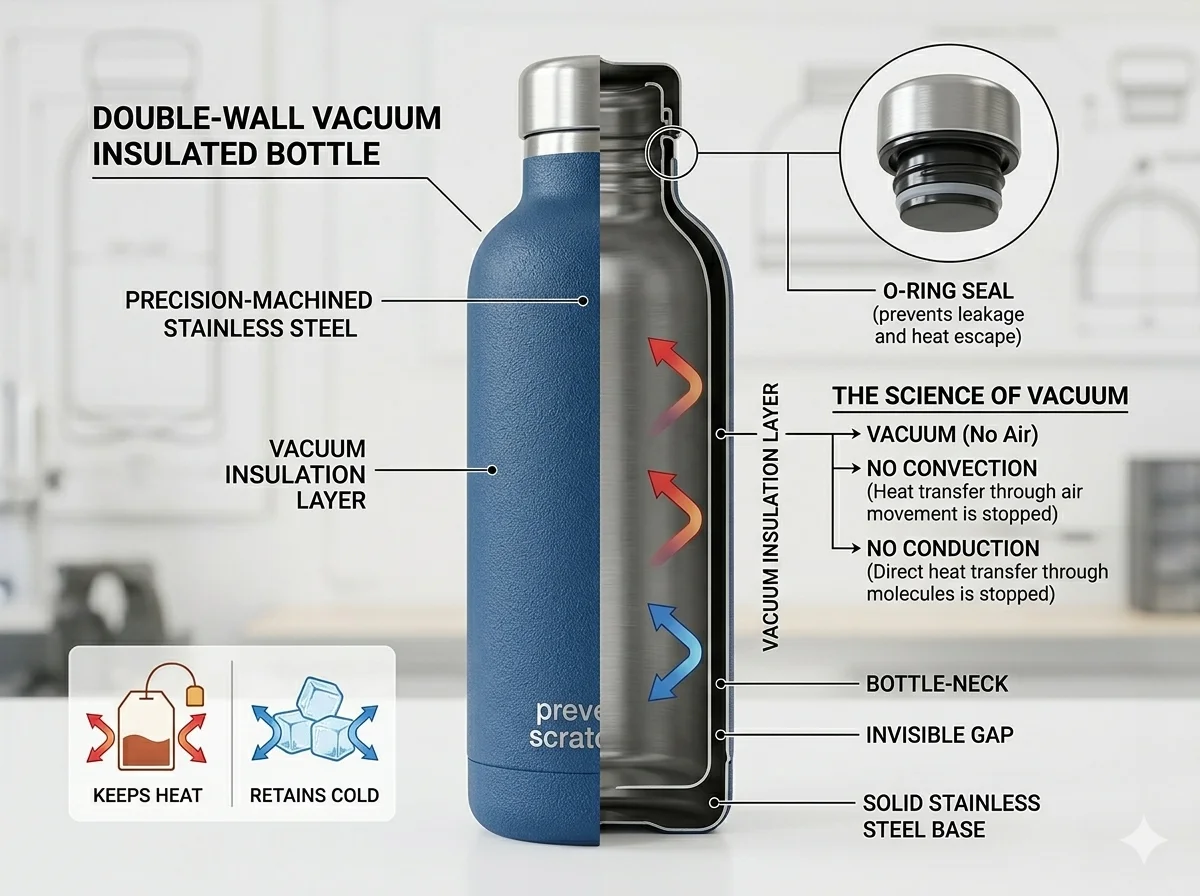
The vacuum insulation technology we use involves removing the air between two walls of steel, creating a "dead zone" where heat cannot transfer. This makes the thermos a multifunctional tool for modern life.
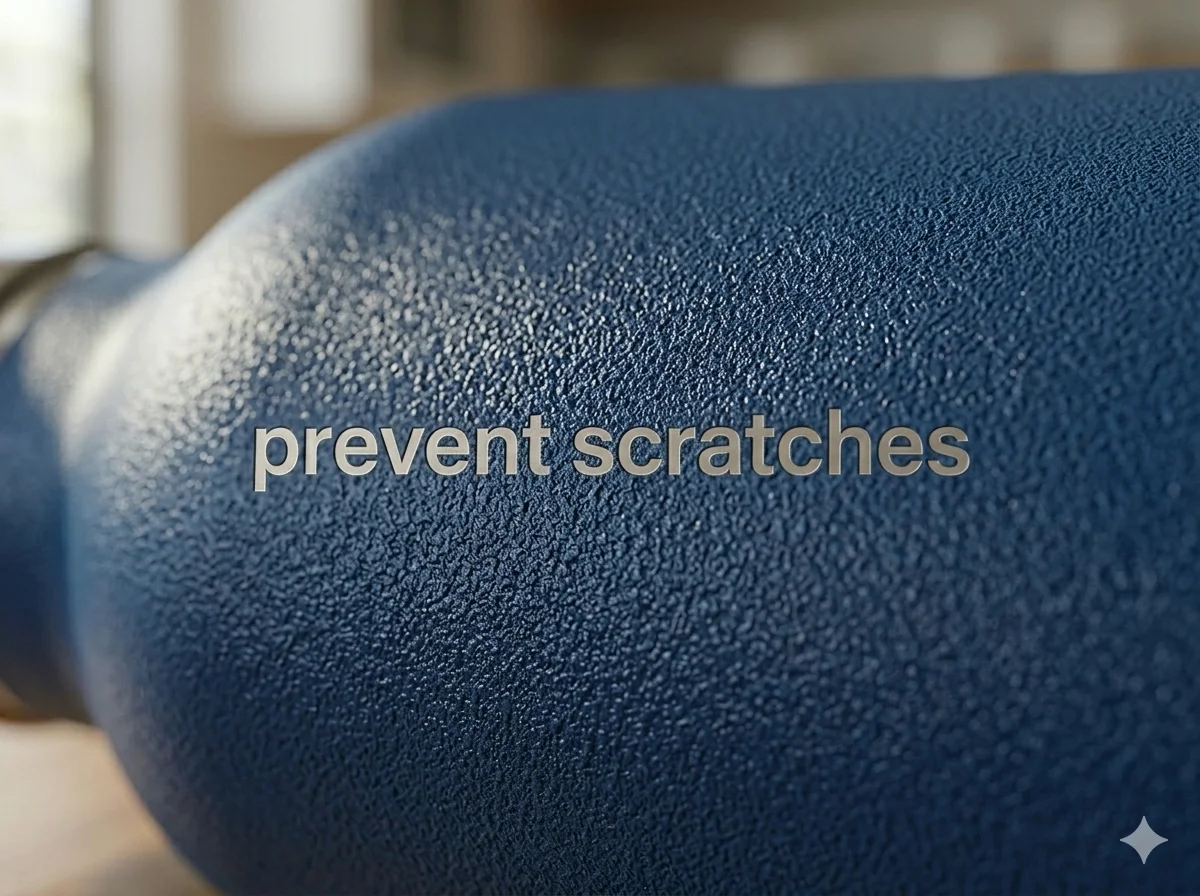
| Use Case | Benefit of Vacuum Insulation | Recommended Style |
| Office/Desk | No "sweating" (condensation) on papers. | 500ml Travel Mug |
| Gym/Sport | Keeps water ice-cold during a 2-hour workout. | 1L Sport Bottle |
| Hiking | Durable against drops; stays hot for 12 hours. | Rugged Wide-Mouth Flask |
Plastic is lightweight, but is it worth the chemical risk? Over time, plastic bottles age, scratch, and potentially leak synthetic hormones into your water, leaving you wondering if there's a safer way.
Yes, glass bottles are generally healthier than plastic. Glass is chemically inert, meaning it won't react with its contents or leach chemicals like BPA or Phthalates. Unlike plastic, glass doesn't "age" or harbor odors, ensuring your water stays pure and untainted for years.
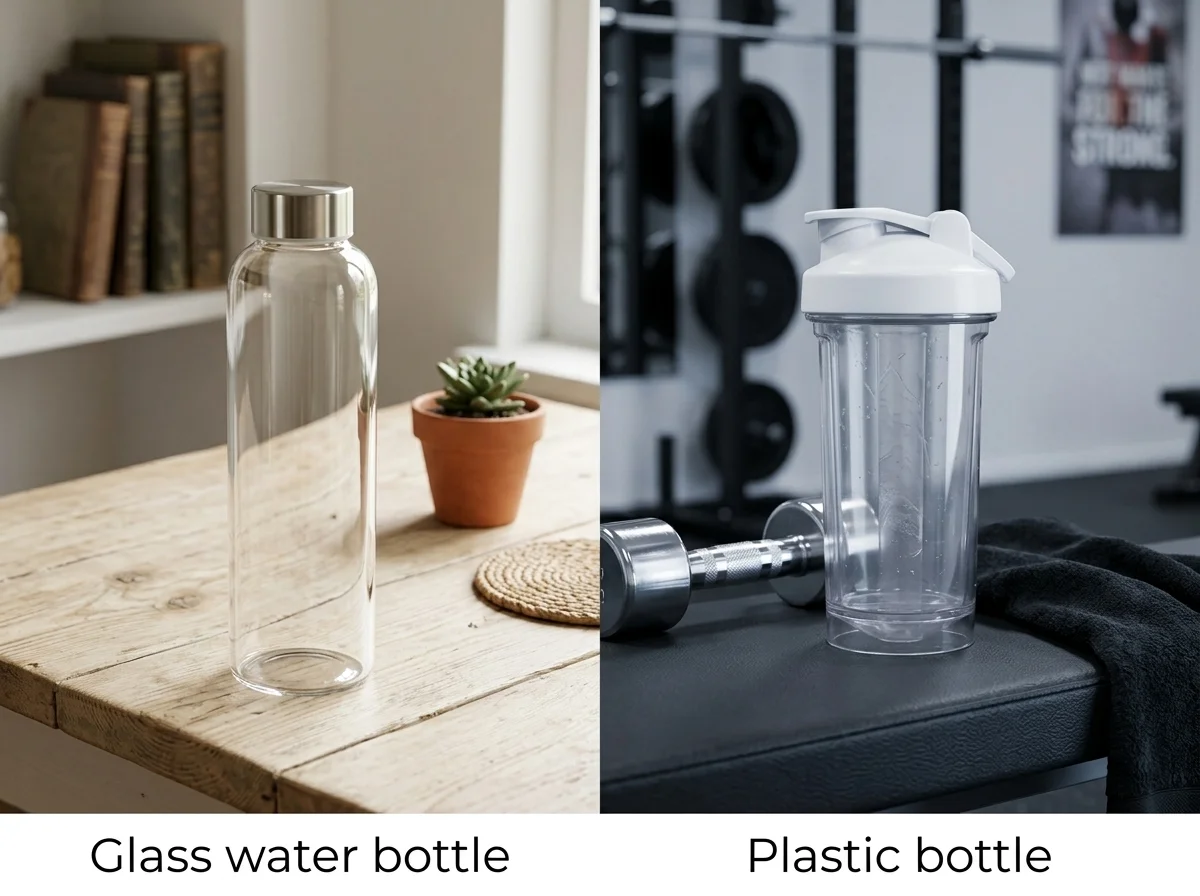
While manufacturers have moved toward "BPA-Free" labels, the reality is more complex. Plastic water bottles come in various materials, each with its own performance limitations.
Plastic tableware will age after repeated use and washing. If you notice surface scratches, dents, or the material becoming opaque or brittle, it is time to replace it. Worn areas are more likely to trap dirt and release substances. For long-term health, glass water bottles are the superior choice.
| Material | Safety Rating | Best For | Replacement Cycle |
| Borosilicate Glass | Exceptional | Total purity, hot/cold | Years (until broken) |
| Acero inoxidable | Exceptional | Durability, hot/cold | 5-10+ years |
| Tritan Plastic | Good (BPA-free) | Lightweight, kids | 1-2 years |
| PET Plastic | Low | Single-use only | Do not reuse |
Tired of replacing cheap plastic bottles every few months? Frequent replacements are a drain on your wallet and the environment. You need a solution that stands the test of time.
Stainless steel and glass bottles typically last for years, with high-quality stainless steel easily reaching a decade of use. While glass is theoretically "immortal" in terms of material stability, its lifespan is usually limited only by accidental physical breakage.
At Vajilla ecológica, we focus on sustainable manufacturing. Some of our products are made with up to 95% recycled materials, certified by RCS and GRS. This commitment to quality means our CNC-machined bottles aren't just eco-friendly; they are built for extreme longevity.
| Material | Expected Lifespan | Primary "End of Life" Cause |
| Acero inoxidable | 10+ Years | Seal failure or heavy denting |
| Vidrio | Lifetime | Impact/Breaking |
| High-end Plastic | 1-3 Years | Material fatigue/scratches |
How do you know if a "stainless steel" bottle is actually food-grade or just industrial scrap? Without verified testing, you could be drinking from a bottle contaminated with heavy metals or toxic coatings.
Certifications like FDA (US) and LFGB (Europe) are the gold standards for bottle safety. They ensure that every component—from the steel body to the silicone seal—is food-safe, non-toxic, and free from hazardous substances like lead, cadmium, and BPA.
Compliance is the backbone of our manufacturing process. We ensure our products meet FDA, LFGB, RoHS, and Prop 65 standards. This is particularly important for our B2B partners who need to ensure their product launches are not disrupted by non-compliant materials.
While the FDA is the standard for the US, the European LFGB test is often considered more rigorous. It includes a "sensory" test to ensure the bottle doesn't change the taste or smell of the water. If a bottle passes LFGB, you can be certain it is of the highest quality.
| Certificación | Region | Key Testing Focus |
| FDA | USA | Chemical leaching, material purity. |
| LFGB | Europe | Strict sensory and chemical stability tests. |
| RoHS | International | Restriction of hazardous substances in coatings. |
| Prop 65 | California | Disclosure of chemicals that cause cancer/defects. |
Ever taken a sip of water and felt like you were licking a coin? This "metallic taste" is a common complaint that can ruin the experience of drinking from a reusable bottle.
High-quality, electropolished stainless steel bottles do not affect the taste of drinks. A metallic taste usually only occurs in low-grade steel, bottles with poor internal finishes, or if the bottle has not been cleaned properly to remove factory residues.
At Eco Drinkware, we use advanced CNC and injection molding technologies to ensure a smooth interior. A metallic taste is often caused by "free iron" on the surface. We prevent this through a process called passivation or electropolishing, which removes impurities and leaves a smooth, non-reactive finish.
If you notice a taste, it might be due to trapped bacteria or old residues. As we noted in our insights, the production environment is not a sterile facility. Rinsing a new bottle with boiling water and mild detergent is essential to remove any manufacturing agents.
| Taste Cause | Solution |
| Factory Residue | Boiling water + Mild detergent soak. |
| Low-Grade Steel | Switch to 18/8 or 316 Food-Grade steel. |
| Biofilm/Bacteria | Weekly deep clean with baking soda. |
Stainless steel and glass are the safest, most practical choices for daily hydration. They offer chemical purity, extreme heat resistance, and a lifespan that far outlasts plastic alternatives, making them a true investment in your health.
 English English
  Español
 Deutsch
 Português
 Français