Worldwide Door-to-Door Delivery!

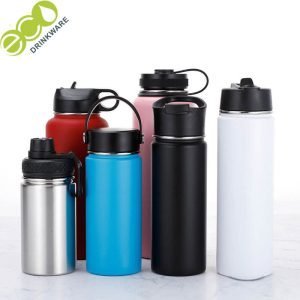
Stainless steel bottles have rapidly become a staple in homes, offices, and outdoor adventures. But what is driving this shift in preference? It’s more than just aesthetics.
Stainless steel bottles offer a blend of sustainability, durability, and style that plastic and glass can’t quite match.
Whether you’re sipping coffee in the morning or keeping your water cold during a hike, stainless steel bottles have proven themselves as the modern solution to an age-old need.
As more people embrace eco-conscious living, stainless steel bottles have emerged as a popular alternative to plastic and glass. They provide a sleek and modern aesthetic while also being reusable and incredibly durable.
Consumers are seeking out products that last longer and reduce their environmental footprint, and stainless steel drinkware fits perfectly into that mindset.
Unlike plastic bottles, which are often discarded after a few uses, or glass, which can easily break, stainless steel bottles offer a durable, sustainable option that can endure years of daily use.
One of the biggest environmental benefits of stainless steel bottles is their ability to replace single-use plastics. Every time you use a stainless steel cup instead of a disposable plastic one, you’re helping to reduce the millions of tons of plastic waste that end up in landfills and oceans each year. This simple switch can make a profound impact over time.


Another reason stainless steel bottles are so eco-friendly is that they are fully recyclable. At the end of their long lifespan, stainless steel bottles can be melted down and repurposed into new products, creating a circular lifecycle that minimizes waste.
Unlike plastic, which often ends up in landfills, stainless steel can be reused indefinitely without losing its quality.

Durability is one of the most compelling reasons why stainless steel bottles have gained traction. These bottles resist wear and tear, maintaining their appearance and structural integrity even after countless uses. They’re also highly sustainable; stainless steel is fully recyclable, which means your cup has the potential to be repurposed indefinitely. Unlike plastic, which can leach chemicals over time, stainless steel is a stable, non-reactive material, making it a healthier choice for long-term use.
Stainless steel is a metal alloy made primarily from iron, with a small percentage of carbon and other elements like chromium and nickel. What sets stainless steel apart from other metals is its resistance to corrosion and staining. This is thanks to the chromium in its composition, which forms a protective layer on the surface when exposed to oxygen. That protective layer is what prevents rusting, making stainless steel an excellent material for applications that come into regular contact with moisture and liquids—like drinkware.

The key properties of stainless steel that make it so desirable include its strength, resistance to corrosion, and ability to maintain its integrity in a wide range of temperatures. It doesn’t retain flavors or odors, making it ideal for drinkware that is used for different beverages. Moreover, stainless steel is highly resistant to rust, which makes it a fantastic material for outdoor use and for people who want a product that will last for decades without needing frequent replacement.
Stainless steel’s non-reactive nature makes it an excellent choice for drinkware. Unlike plastic, it doesn’t contain harmful chemicals like BPA, and unlike glass, it won’t shatter when dropped. Stainless steel is also lightweight and easy to transport, making it a perfect companion for camping trips, road trips, or just a day at the office. Its ability to keep drinks at their desired temperature, whether hot or cold, adds to its appeal, making stainless steel bottles not just durable, but practical for everyday use.
From raw steel to the polished, finished product, the creation of a stainless steel cup is a marvel of modern engineering and craftsmanship. Each step in the process, from sourcing the steel to shaping and finishing it, contributes to the durability and beauty of the final product. These bottles are not just functional—they’re a testament to human ingenuity.
The journey of a stainless steel cup starts with the raw material—steel. This steel is typically sourced from recycled materials, underscoring its sustainable nature. Scrap metal is melted down in a furnace, combined with chromium, and purified to remove impurities. This raw steel is then cast into large blocks, which will later be rolled into thin sheets that are easier to manipulate into the shape of a cup.

Chromium is the magic ingredient that gives stainless steel its unique ability to resist rust and corrosion. When chromium is mixed with steel, it reacts with oxygen to form a thin layer of chromium oxide. This layer acts as a protective barrier against moisture and air, preventing rust and other forms of degradation. Without chromium, the steel would quickly rust when exposed to liquids, making it unsuitable for drinkware.
How Stainless Steel Sheets Are Made
Once the raw steel is processed, it’s rolled into sheets. These sheets can be thick or thin, depending on their intended use. For stainless steel bottles, the sheets are typically thin but strong enough to withstand the pressure they will endure during the shaping process. These sheets are then cut to size, ready for the next step in the manufacturing process.
Cutting the Steel: Precision in Action
Cutting the stainless steel to the precise dimensions needed for bottles requires accuracy and precision. Modern manufacturing techniques use laser cutting or mechanical cutting tools to slice the steel sheets into the right shapes, ensuring minimal waste. Every piece must be cut perfectly, as any error can compromise the strength and stability of the final product.
Deep Drawing: Giving the Cup Its Shape
Deep drawing is the process where a flat sheet of steel is transformed into a cup shape. In this method, a piece of the steel sheet is pressed into a mold, stretching it to create the desired form. This process requires precise control to ensure the walls of the cup are uniform in thickness and can withstand the rigors of daily use. Deep drawing allows manufacturers to create bottles that are both lightweight and durable, with smooth, even surfaces.

The Importance of Heat Treatment
Heat treatment, or annealing, plays a critical role in strengthening stainless steel. During annealing, the steel is heated to high temperatures and then slowly cooled. This process relieves internal stresses in the metal and increases its durability, ensuring that the finished cup will resist dents and deformation even after years of use.
How Annealing Adds Durability to Stainless Steel bottles
Annealing softens the metal, making it easier to shape without losing its strength. Once the shaping process is complete, the cup is reheated and cooled again to lock in its durability. This creates a cup that is not only strong but also flexible enough to withstand everyday impacts without bending or breaking.
Why the Rim Design Matters for a Perfect Sip
The rim of a stainless steel cup may seem like a minor detail, but it’s crucial for a seamless drinking experience. A well-formed rim feels smooth against the lips, preventing discomfort and spills. Manufacturers use special techniques to roll or polish the rim so that it is comfortable to use and resistant to chipping.

How the Base Is Secured for Stability
A sturdy base ensures the cup remains upright, even when placed on uneven surfaces. Manufacturers often add extra thickness to the base of the cup or use reinforced welding to ensure it stays secure. The goal is to create a cup that doesn’t wobble or tip over easily, providing stability whether you’re at home or on the go.
Seamless Welding: Creating a Strong Structure
For bottles that consist of multiple components, welding is essential to ensure structural integrity. Seamless welding techniques are used to join the different parts of the cup together without leaving any visible weld marks. This not only creates a strong, cohesive cup but also ensures that the final product is visually appealing and easy to clean.
How Welding Affects the Strength of the Cup
Proper welding ensures the cup remains leak-proof and durable. Poorly welded bottles may develop weak points that can lead to leaks or structural failure over time. High-quality welding ensures that the cup remains sturdy and intact, even after being subjected to heavy use or being dropped.

The Importance of a Smooth, Shiny Finish
Polishing isn’t just about aesthetics—it also makes the cup more hygienic. A smooth, polished surface is easier to clean and less likely to harbor bacteria or stains. Whether the finish is shiny or matte, polishing ensures the cup looks great and performs even better.

Brushed vs. Polished Stainless Steel: What’s the Difference?
A brushed finish gives the cup a textured, matte appearance, while a polished finish offers a sleek, glossy look. Brushed stainless steel tends to hide fingerprints and scratches better, making it ideal for heavy use. Polished stainless steel, on the other hand, offers a more luxurious look but may require more upkeep to maintain its shine.
Laser Etching vs. Screen Printing: Which is Better?
When it comes to adding logos or branding, manufacturers can choose between laser etching and screen printing. Laser etching burns the design directly into the steel, creating a permanent mark that won’t fade or wear off. Screen printing applies ink to the surface, which can be vibrant but may wear off over time. Both methods have their merits, depending on the desired look and longevity.

Customizing Stainless Steel bottles for Personal or Business Use
Customization is one of the most attractive features of stainless steel bottles. Whether it’s for a personal touch or business branding, these bottles can be tailored to fit any need. Companies can print logos, slogans, or artwork on the bottles, making them perfect for corporate gifts or promotional items.

Powder Coating: How It Works
Some stainless steel bottles come in vibrant colors thanks to powder coating. This process involves applying a dry powder to the surface of the cup and then baking it, causing the powder to melt and form a smooth, durable layer. This coating not only adds color but also enhances the cup’s resistance to scratches and wear.

BPA-Free and Safe Coatings: What You Need to Know
Consumers are more aware than ever of the potential health risks associated with certain coatings. Stainless steel bottles with BPA-free coatings ensure that no harmful chemicals will leach into beverages, even after prolonged use. It’s important to choose bottles with safe, non-toxic coatings to ensure they are suitable for hot and cold beverages alike.
Testing for Durability and Strength
Before a stainless steel cup reaches the consumer, it goes through rigorous testing to ensure
it can stand up to everyday wear and tear. Manufacturers test the cup’s ability to resist dents, scratches, and corrosion. Drop tests and pressure tests are common methods used to simulate real-world conditions and ensure the cup remains functional and safe.
How Manufacturers Ensure a Food-Safe Product
Food safety is a top priority in the production of stainless steel drinkware. Manufacturers must comply with strict regulations to ensure their products do not leach harmful substances or react with the beverages they hold. Stainless steel bottles undergo chemical testing to confirm they are free of lead, cadmium, and other toxic elements, ensuring they meet global food safety standards.
---
Robots in the Production Line: Faster and More Efficient Manufacturing
Automation has revolutionized the way stainless steel bottles are made. Robots now handle many of the tasks that were once done manually, such as cutting, shaping, and welding. This speeds up production, reduces human error, and ensures each cup is made to the highest standard.
Reducing Waste with Modern Machinery
Modern machinery is not only faster but also more precise, which means less material is wasted during the manufacturing process. This contributes to the sustainability of stainless steel bottles, as fewer resources are used, and less waste is produced overall. By optimizing the use of raw materials, manufacturers can reduce their environmental footprint.

Eco-Friendly Packaging for Stainless Steel bottles
Packaging is another area where sustainability plays a key role.
At eco drinkware, we opt for eco-friendly packaging materials, such as recycled cardboard or biodegradable materials, to ensure that the entire product lifecycle is as green as possible.
The packaging is designed to protect the bottles during transit while minimizing environmental impact.


How Proper Packaging Ensures bottles Stay Safe During Shipping
Stainless steel bottles may be durable, but they still require protection during shipping. Proper packaging ensures that the bottles arrive in perfect condition, free from dents, scratches, or other damage.
Bubble wrap, foam inserts, and other cushioning materials are commonly used to prevent movement during transport, ensuring the bottles reach their destination intact.

Cleaning Stainless Steel: What Works Best
Stainless steel bottles are relatively low-maintenance, but regular cleaning is essential to keep them looking and performing their best.
Warm water, mild dish soap, and a soft sponge are usually all you need to clean a stainless steel cup.
Avoid using abrasive scrubbers or harsh chemicals, as these can scratch the surface or damage any coatings.
Tips for Maintaining the Shine and Durability
To maintain the shine of your stainless steel cup, consider polishing it occasionally with a stainless steel cleaner or a mixture of baking soda and water.
For bottles with a brushed finish, wipe in the direction of the grain to avoid scratches.
Regularly drying your cup after washing can also prevent water spots from forming, keeping your cup looking pristine.

As the world continues to shift toward more sustainable living, stainless steel bottles are leading the charge.
Their durability, recyclability, and eco-friendly production processes make them a smart choice for consumers who care about the environment.
With their long-lasting appeal and practicality, stainless steel bottles are poised to remain a staple in kitchens, offices, and outdoor adventures for years to come.
 English English
  Español
 Deutsch
 Português
 Français