Worldwide Door-to-Door Delivery!

Consumers demand products that reflect their sustainable values, but standard plastic leaves a huge environmental footprint. Glass and bamboo bottles offer a beautiful, truly eco-friendly alternative.
Glass with bamboo-lid bottles are popular with eco-conscious buyers because they combined naturally derived, rapidly renewable bamboo with infinitely recyclable, non-leaching borosilicate glass. This pairing creates a durable, biodegradable, and sustainable product that dramatically reduces reliance on plastic and other less stable materials.
Are you ready to dive deeper into the material science and design advantages that make these bottles the ultimate choice for brands committed to a green future?
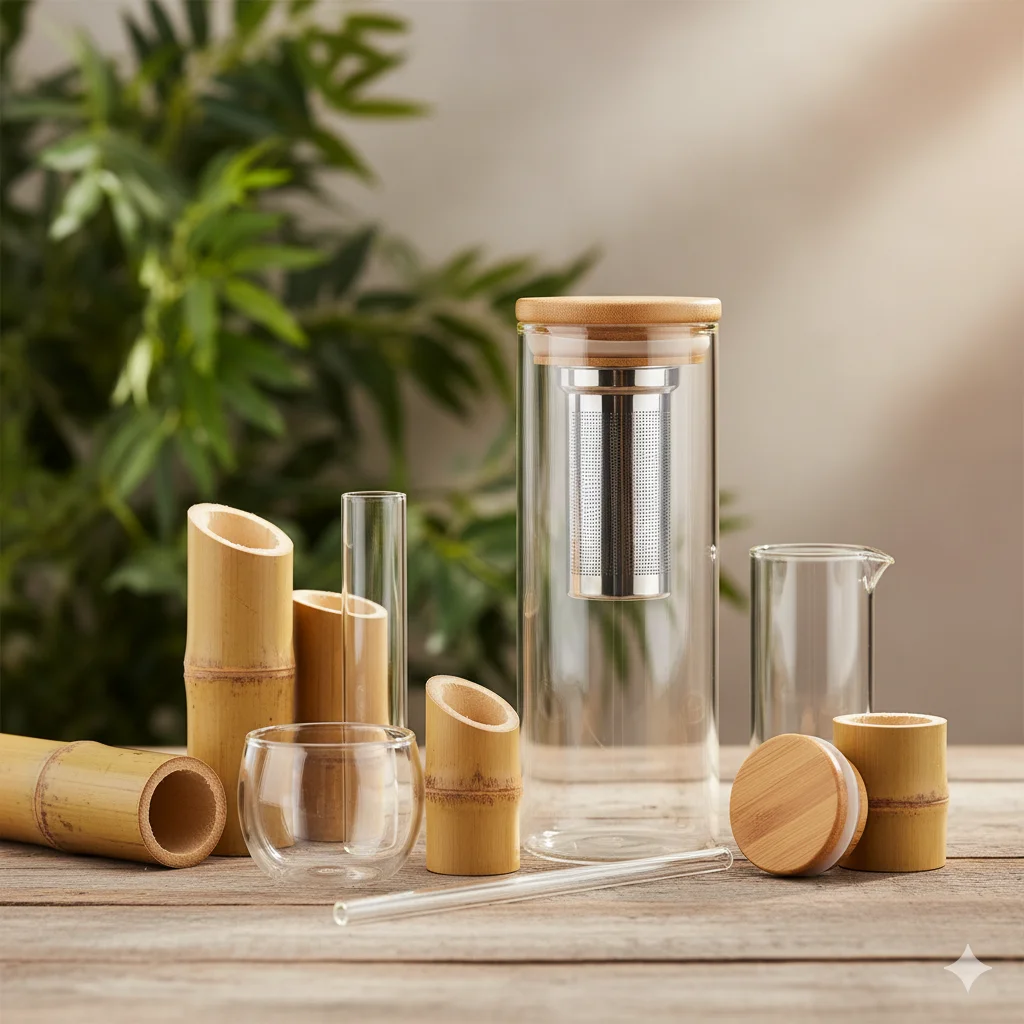
When evaluating a product's green credentials, it’s essential to look at every component. How do bamboo lid glass bottles earn their eco-friendly reputation?
Bamboo-lid glass bottles are considered eco-friendly because they combine two highly sustainable materials: biodegradable bamboo, which is rapidly renewable with a one-year growth cycle, and glass, which is infinitely recyclable and chemically stable.
The core of their appeal is this synergy—a blend of nature’s most renewable resource with one of humanity's most stable and reusable engineered materials.
The sustainability of this product lies in the life cycle of its components. Bamboo is a natural material that is biodegradable, making it an eco-friendly and sustainable choice. With a growth cycle of just one year, bamboo grows rapidly without affecting forest areas, making it a responsible choice for product development that minimizes deforestation risks. Glass, on the other hand, is highly stable and environmentally friendly. Discarded glass can be recycled and remelted into new glass material without loss of purity or quality. This makes glass cups with bamboo lids a very eco-friendly option and a rising favorite in the drinkware industry.
Beyond the raw materials, the design of the bottle itself contributes to its eco-friendly status. By choosing durable, high-quality borosilicate glass and a robust bamboo lid, manufacturers create a product that is designed for longevity. This emphasis on quality directly combats the culture of disposability, reinforcing the customer's sustainable intentions. For brands and wholesalers, marketing this longevity is a powerful selling point that speaks directly to the environmental ethics of the modern consumer.
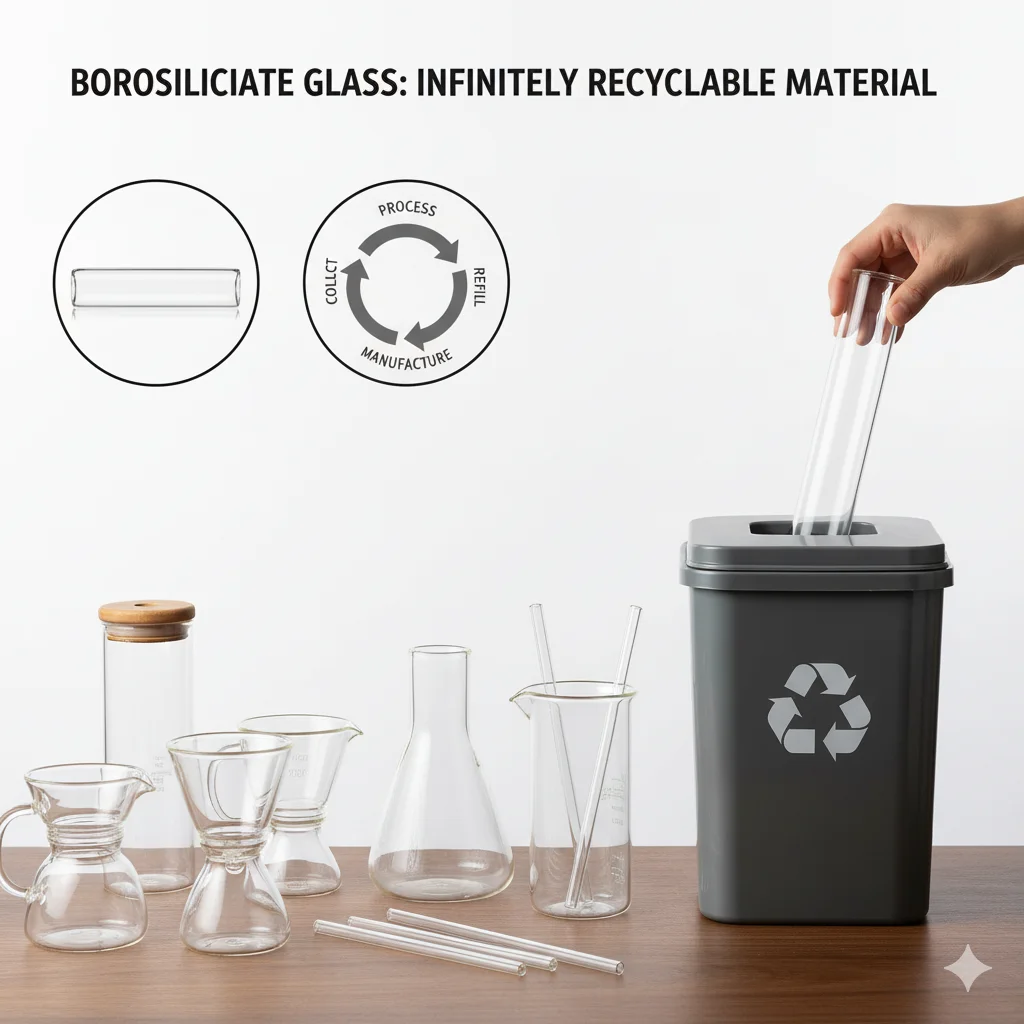
Plastic is cheap and lightweight, but at what environmental cost? Does borosilicate glass truly outperform plastic in terms of sustainability?
Borosilicate glass bottles are far more sustainable than plastic because glass is infinitely recyclable and chemically inert, meaning it never leaches harmful toxins, even after years of use. In contrast, most plastics degrade and can only be recycled a finite number of times before ending up in landfills.
The comparison between these two materials reveals a clear winner when considering the long-term health of the planet and the consumer.
The sustainability difference begins with manufacturing and ends with disposal. While glass production requires more energy than plastic, its benefits outweigh the cost over time. Glass is highly stable and environmentally friendly, as discarded glass can be recycled and remelted into new glass material. This circular economy of glass is its most sustainable feature. Plastic, even PET or Tritan, has a limited number of recycling cycles before the material quality degrades (downcycling), ultimately leading to landfill or incineration. Borosilicate glass, with its stability and purity, is truly designed for eternity.
The chemical stability of glass is another major sustainable advantage. Since glass is non-porous and non-leaching, it can safely hold any beverage without absorbing flavors or chemicals. This stability is crucial for consumers who are wary of plasticizers or BPA found in some plastic alternatives. By choosing borosilicate glass, brands instantly build a foundational level of trust with their customers, positioning themselves as prioritizing health and material purity.
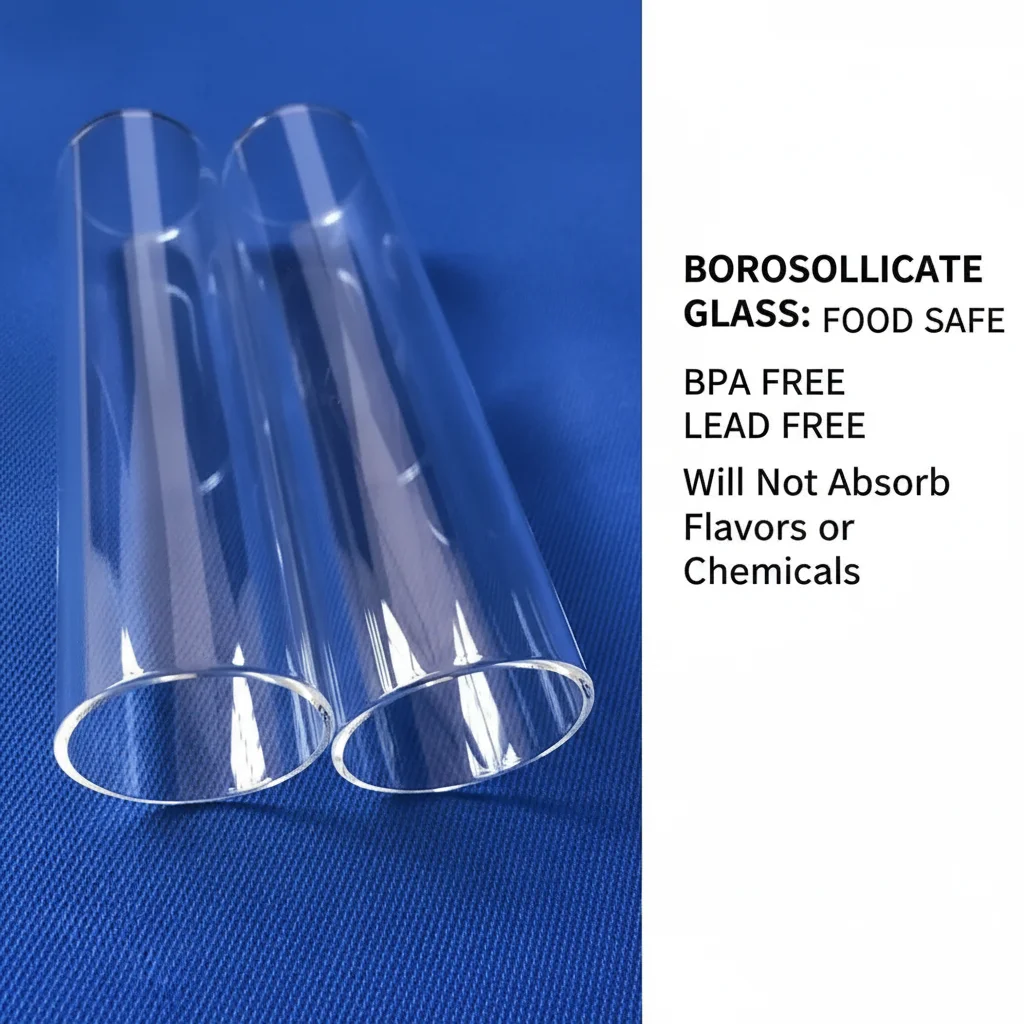
A beautiful, natural lid is appealing, but does it hold up to daily wear and tear? Are bamboo lids a durable and safe choice for daily use?
Bamboo lids are both durable and safe for long-term use, provided they feature an interior food-grade silicone seal for waterproofing and are cleaned properly. Bamboo is naturally tough and requires minimal maintenance, securing the bottle while ensuring the user's drink only touches pure materials.
The perceived fragility of wood is often overstated, especially when dealing with high-quality, dense bamboo, which is one of the world's hardest natural materials.
The safety and long-term durability of a bamboo lid rely heavily on its internal components. A quality lid incorporates a food-grade silicone ring or seal beneath the bamboo itself. This seal is non-toxic, prevents leaks, and—most importantly—ensures the drink remains chemically isolated from any adhesives used in the bamboo lamination process.
"The pairing of glass and bamboo is brilliant, but the real engineering success is the silicone gasket. It ensures a high-performing, food-safe seal that meets international standards, allowing the natural beauty of the bamboo to be used without compromising durability or consumer health." - Dr. Michael Chen, Environmental Materials Scientist.
The natural aesthetic of bamboo is a significant draw, especially for custom branding. Bamboo lids can be laser-engraved with logos, revealing the natural burnt color of bamboo. This unique feature has made bamboo lid glass cups a popular choice for custom branding projects. The engraving process creates a permanent, high-contrast, and chemical-free logo that won't fade or peel, adding value and further enhancing the lid's perceived durability.

The goal of reusable drinkware is clear, but do these eco-friendly bottles really reduce single-use waste?
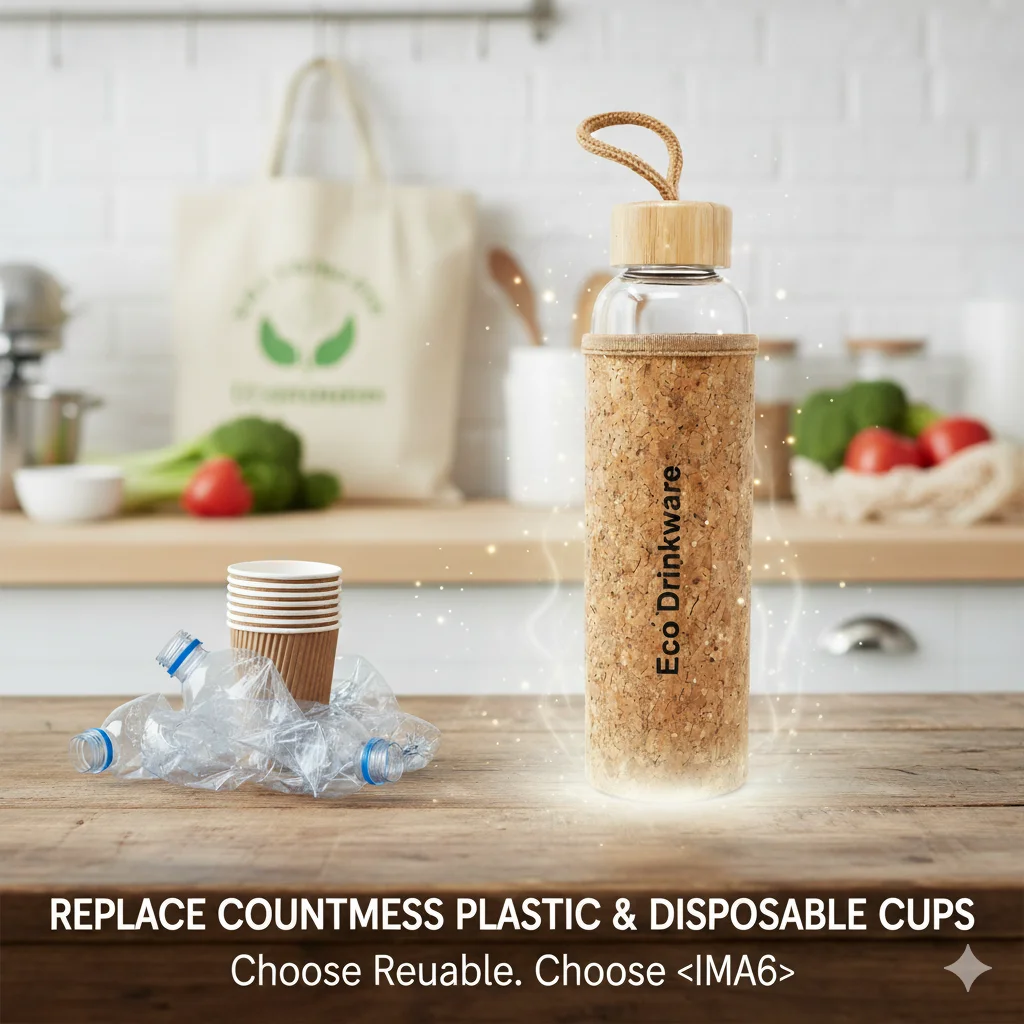
Yes, eco-friendly bottles directly reduce single-use waste by serving as a durable, long-term replacement for disposable plastic and paper cups. A single high-quality glass and bamboo bottle can displace thousands of single-use containers over its lifespan, making it a highly effective tool for waste reduction.
The impact is cumulative: a brand that replaces its corporate plastic cups with high-quality bamboo-lid glass bottles makes an immediate, measurable difference in its waste profile.
Reducing waste is less about what a product is made of and more about how long it is used. Glass and bamboo bottles, due to their premium feel and superior durability (especially borosilicate), encourage repeated use. Unlike flimsy plastic bottles that are easily misplaced or broken, the quality design fosters a desire for the user to keep and care for the product. This high usage rate is the direct mechanism by which these bottles reduce single-use waste in daily life, coffee shops, and offices globally.
For B2B buyers, the equation is simple: purchasing 1,000 custom-branded glass bottles eliminates the environmental cost of the 1,000 to 5,000 plastic water bottles or cups those employees would otherwise use in a single year. By choosing to stock and distribute these items, companies actively participate in the circular economy, moving beyond simple compliance into genuine environmental stewardship.
A sustainable product requires sustainable packaging to maintain its integrity. What packaging choices best align with sustainable drinkware?
The best packaging options for sustainable drinkware prioritize recycled, recyclable, and biodegradable materials, such as FSC-certified cardboard, molded paper pulp inserts, and soy-based or water-based inks, minimizing plastic use and supporting the product's overall green mission.
Packaging is the final, crucial step in demonstrating a brand’s commitment to sustainability.
| Component | Sustainable Option | Environmental Benefit |
| Box/tube/display box Material | Unbleached, recycled cardboard or FSC-certified paper. | Reduces demand for virgin timber; minimizes chemical processing. |
| Egg crate | Molded paper pulp or shredded paper. | Biodegradable; replaces single-use styrofoam or bubble wrap. |
| Inks/Printing | Soy-based or water-based inks. | Eliminates petrochemical solvents from the recycling process. |
| Adhesive/Tape | Paper-based tape with natural rubber adhesive. | Fully compostable or recyclable with the cardboard box. |
The "infinitely recyclable" claim is powerful, but is glass recycling a globally accessible and effective solution?
Glass bottles are technically 100% and infinitely recyclable worldwide, as they can be remelted without loss of quality. While recycling infrastructure varies by region, glass remains one of the most widely accepted and sustainable materials in municipal recycling programs across the globe.
This fundamental quality of glass makes it a powerful choice for international brands and wholesalers who need a product with verifiable global sustainability credentials.
The recycling process for glass is straightforward: discarded glass (cullet) is cleaned, crushed, and melted at a high temperature, then molded into a new product. Using cullet requires significantly less energy than creating new glass from raw materials (sand, soda ash, and limestone). This energy saving—up to 30%—is the economic and environmental driver of glass recycling.
The ethical appeal of sustainable bottles is clear, but how do they translate into commercial success? Why are glass and bamboo bottles attractive to B2B and wholesale markets?
Glass and bamboo bottles appeal to B2B buyers and wholesale markets because they offer a unique combination of premium perceived value, low-risk branding potential, and a demonstrable commitment to sustainability. Many international brands have also chosen them to expand their product lines.
For large-scale purchasing decisions, these bottles satisfy the corporate mandate for both quality and Corporate Social Responsibility (CSR).
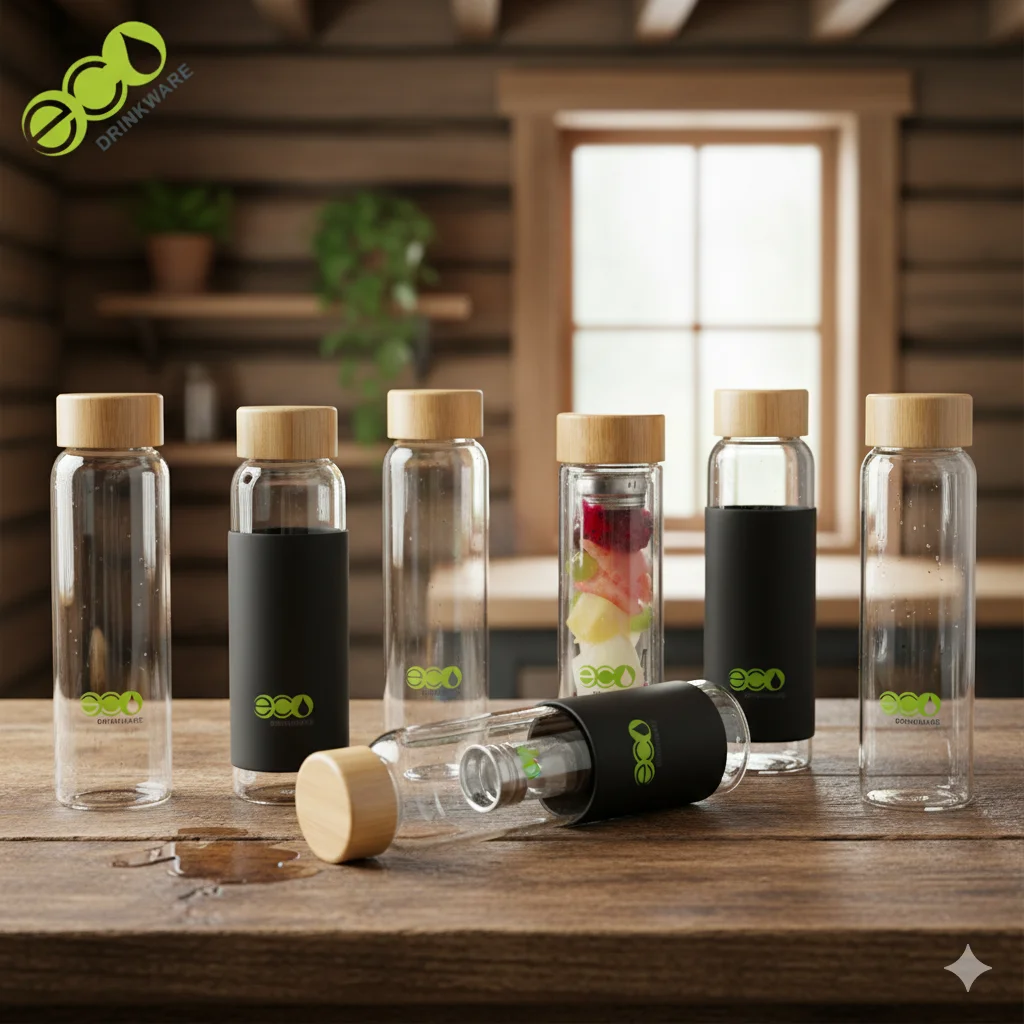
The natural look of bamboo and the clarity of glass offer a sophisticated, high-end aesthetic that immediately elevates brand perception. This is highly valued in the corporate gifting and promotional market. The laser-engraving feature on the bamboo lid, which reveals the natural burnt color, provides a permanent, elegant branding method that is chemically safe. This unique feature has made bamboo lid glass cups a popular choice for custom branding projects, and they are especially suitable for wholesale orders. For the corporate buyer, this translates to a gift that employees and clients will value and use daily. For bulk buyers and wholesalers, this unique customization option translates directly into a higher margin product. Visit www.eco-drinkware.com for our full line of sustainable options.
Glass and bamboo bottles satisfy the modern demand for products that are both sustainable and commercially viable. They offer unmatched purity, durability, and a premium aesthetic that appeals directly to eco-conscious consumers and corporate buyers worldwide.
 English English
  Español
 Deutsch
 Português
 Français